
The Psychology Behind Casino Game Design
If you want to try a platform that applies these principles, check out Powerup casino for a modern experience that showcases cutting‑edge game mechanics. As of 2026, online operators have refined these techniques across thousands of titles.
The Power of Variable Rewards in Slot Machines
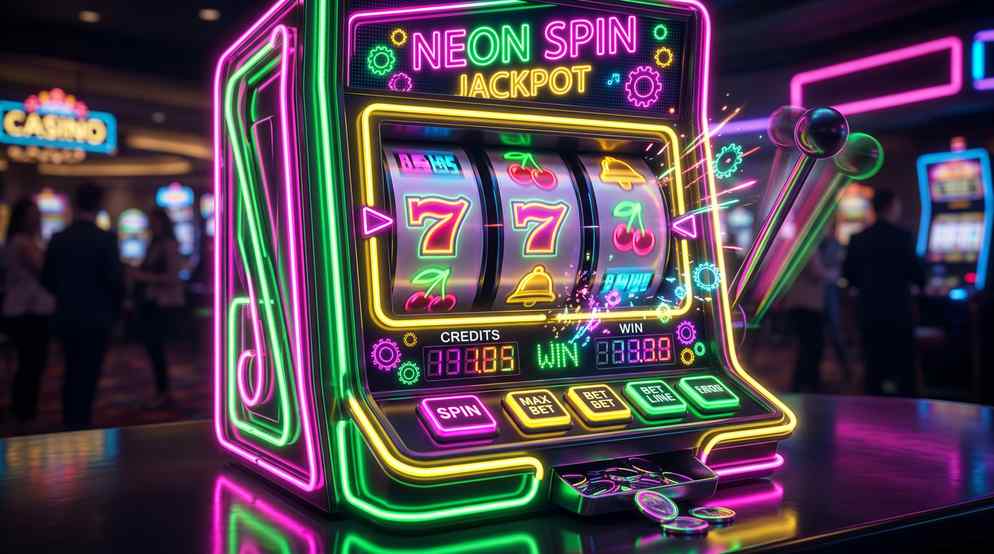
The core engine that drives most slot machines is the variable‑ratio schedule, a principle first described by B. F. Skinner. When a player pulls the lever, the game delivers a win after an unpredictable number of spins, creating a powerful dopamine surge each time the reward finally appears. This unpredictable pattern feels more exciting than a fixed payout because the brain interprets the uncertainty as a challenge worth pursuing. Designers fine‑tune the frequency and size of payouts to balance short‑term thrills with long‑term profitability. By mixing frequent tiny wins with occasional massive jackpots, operators keep the player’s attention locked on the reels, hoping the next spin will be the one that pays out big through variable rewards.
| Game | Provider | Reward Mechanism | Psychological Principle |
| Esqueleto Explosivo | Thunderkick | Exploding wilds with cascading wins | Intermittent reinforcement (variable ratio) |
| 1429 Uncharted Seas | Thunderkick | Low volatility, frequent small wins | Variable ratio schedule (predictable but spaced) |
| San Quentin | Nolimit City | High volatility, massive wins with xWays | Extreme variability (dopamine spikes) |
| Cubes | Hacksaw Gaming | Cascading reels with multiplier cubes | Chaining rewards (anticipation loop) |
Near-Misses and the Illusion of Control
Near‑miss outcomes mimic the feeling of a win while still delivering a loss, and they exploit a deep‑seated human bias toward believing we can influence chance. Reels that stop just one symbol away from a line cause the brain to register the event as “almost there,” prompting a surge of dopamine similar to a real win. This biochemical reward convinces players that their strategy matters, even though the outcome remains random. Game developers embed near‑misses deliberately, knowing that the illusion of control fuels longer sessions and higher spend.
How Near-Misses Trigger Dopamine Release
The brain’s reward centre lights up whenever a near‑miss signals potential success, releasing dopamine that reinforces the desire to try again. Researchers have measured spikes in dopamine levels during near‑miss spins, confirming that the sensation feels like a partial win. This neurochemical feedback loop encourages the player to increase bet size or continue spinning, hoping the next attempt will convert the near‑miss into a full payout.
Examples from Hacksaw Gaming and Nolimit City
Hacksaw Gaming’s Cubes frequently stops one multiplier short of a massive payout, creating a tantalizing near‑miss that nudges players toward the gamble button. Nolimit City’s San Quentin inserts “almost‑win” symbols in the final reel, delivering a visual cue that the player was just a step away from a life‑changing win. Both titles illustrate how designers program visual and auditory cues to amplify the psychological impact of near‑misses, turning a loss into a compelling reason to stay.
Sensory Immersion: Sound, Light, and Animation
Slot machines rely on a tightly choreographed trio of sound, light, and animation to create an immersive environment that captures the player’s focus. Bright LED strips flash in sync with winning combinations, while layered sound effects mimic the rush of a jackpot, reinforcing the perception of progress. Motion graphics add a narrative layer, turning abstract symbols into a story that the brain follows. When these sensory elements align, they trigger the brain’s arousal system, heightening attention and reducing critical thinking. Operators therefore invest heavily in high‑definition graphics and surround‑sound mixes to make every spin feel like a mini‑event rather than a simple random draw.
The Role of Authentic Gaming’s Live Casinos
Authentic Gaming streams real‑world dealers in high‑definition video, blending the tactile feel of a brick‑and‑mortar casino with the convenience of online access. The live chat, dealer cues, and ambient casino sounds replicate the social atmosphere that many players miss when they spin alone. By integrating these elements, the platform taps into the same reward pathways activated by physical tables, while still applying the variable reward structures that define digital slots. This hybrid approach satisfies both the desire for authenticity and the brain’s craving for unpredictable wins.
Player Retention and Behavioral Loops
Retention strategies revolve around creating loops where each action leads to a small, satisfying payoff that encourages the next action. Designers embed daily missions, loyalty tiers, and progressive jackpots that reward consistent play, turning a casual session into a habit. The loop starts with an initial spin, followed by a near‑miss or a modest win, then a visual cue that signals a larger reward is just a few levels away. As players climb the ladder, they receive bonus credits, free spins, or exclusive content, reinforcing the belief that staying logged in will eventually yield a big payout. By constantly resetting the goalpost, operators maintain a steady flow of engagement and revenue.
Casino Platforms: Videoslots, Playzee, and Platinum Casino
Videoslots curates a rotating library that introduces fresh titles every week, using push notifications to remind players of new bonus structures. Playzee focuses on social leaderboards, allowing users to compare win streaks and compete for weekly tournaments, which fuels a competitive loop. Platinum Casino blends high‑roller VIP programs with personalized email offers, ensuring that heavy spenders receive exclusive incentives that reinforce their loyalty. Each platform leverages data analytics to fine‑tune the timing of rewards, maximizing the chance that a player will re‑enter the game within the next few hours.
Author
Neha Chopra is an iGaming UX specialist who has spent over a decade reviewing platform designs and player journeys, focusing on how interface choices affect engagement and responsible gambling.
FAQ
What is the psychology behind the “near-miss” effect?
Near‑misses trick the brain into thinking a win was within reach, releasing dopamine and reinforcing the urge to keep playing.
Why do slot machines use bright lights and sounds?
Bright lights and loud sounds create arousal, draw attention, and pair sensory excitement with wins, strengthening the reward association.
How do variable rewards keep players engaged?
Variable rewards generate unpredictable payoff patterns that sustain curiosity and dopamine spikes, preventing boredom and encouraging longer sessions.
What makes live casino games different from RNG slots?
Live casino games stream real dealers and real‑time interaction, offering social cues and authentic randomness, whereas RNG slots rely on computer‑generated outcomes without human presence.
Are there ethical concerns in casino game design?
Designers must balance profit motives with player protection, avoiding manipulative tactics that exploit vulnerability and ensuring transparency in odds and reward structures.